King Cheesecake Recall: Affected Products & Health Risks
Introduction
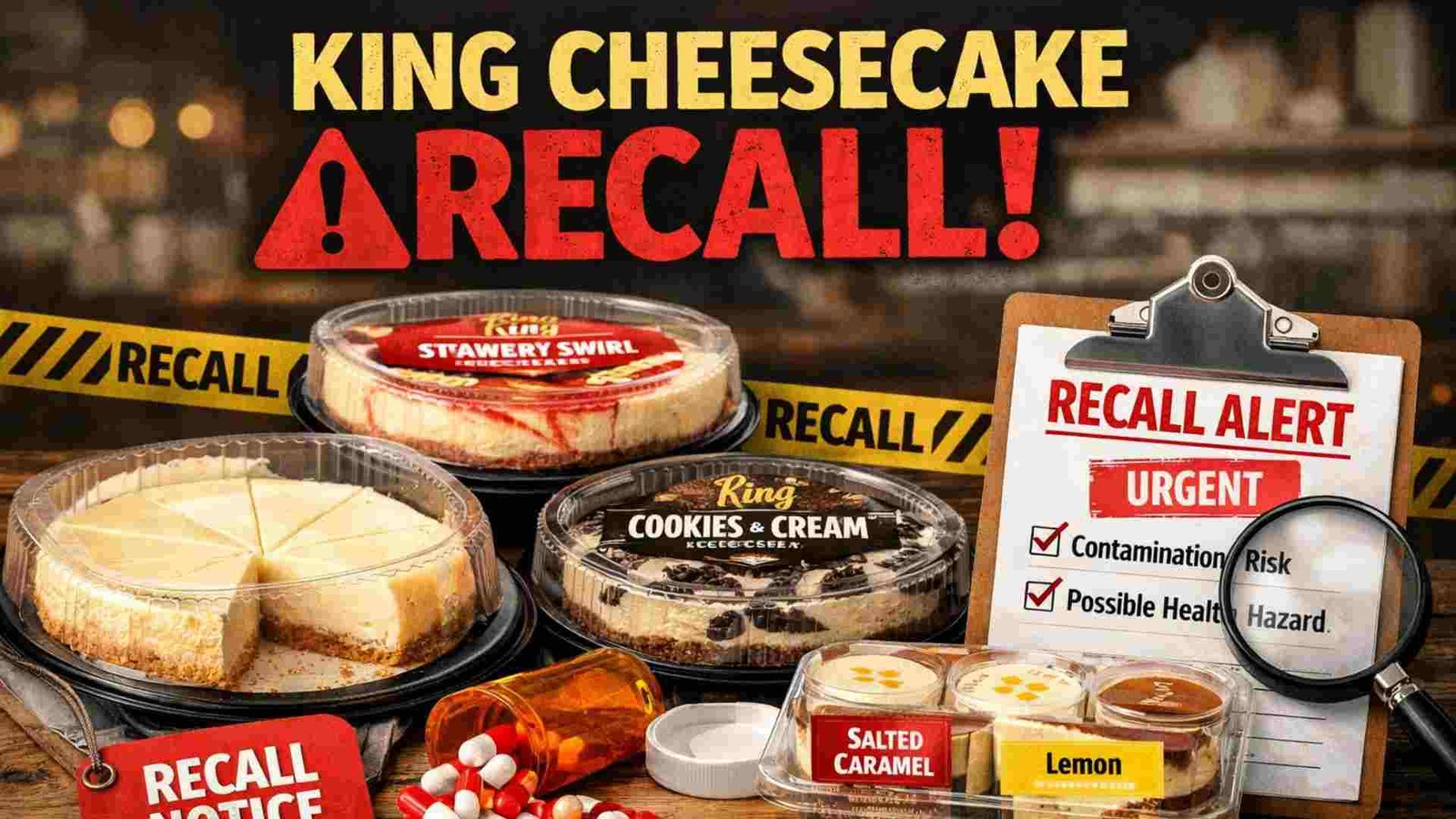
The King Cheesecake Recall has recently become a major topic in food safety discussions across the United States. News outlets and consumer safety organizations have reported that certain cheesecake and cake products produced by King Cheesecake Company, Inc. may be linked to potential contamination concerns. Because cheesecake is a widely enjoyed dessert, especially in restaurants, bakeries, and grocery stores, any recall connected to such a product quickly attracts public attention.
Food recalls are issued to protect consumers from potential health risks. When companies or regulators discover that a product may be unsafe to eat, they act quickly to remove it from the market. In the case of the King Cheesecake Recall, the concern involves possible contamination from ingredients used in some of the desserts. Authorities warn that consuming contaminated food can lead to serious illness, particularly for vulnerable individuals.
The growing number of online searches for the King Cheesecake Recall shows that many consumers want to understand which products are affected, what health risks exist, and what actions they should take. This article explains the full details of the recall, including why it happened, which products are involved, the possible health risks, and the steps consumers should follow if they purchased the recalled desserts.
By the end of this guide, readers will have a clear understanding of the recall and how to stay safe when dealing with potentially affected food products.
What Is the King Cheesecake Recall?
The King Cheesecake Recall refers to a safety action involving certain desserts produced by King Cheesecake Company, Inc., a bakery manufacturer based in the United States. The company is known for producing cheesecakes and layered cakes that are distributed to grocery stores, restaurants, and wholesale suppliers.
A recall is typically announced when a company or regulatory authority identifies a possible risk associated with a product. In this case, the recall was issued after concerns emerged that some ingredients used in the desserts might be contaminated with harmful bacteria. As soon as the potential issue was discovered, steps were taken to remove the affected items from distribution channels.
Food recalls like the King Cheesecake Recall often occur as part of routine safety monitoring. Manufacturers regularly test ingredients and finished products to ensure they meet safety standards. If any contamination risk is detected, a recall may be issued to prevent consumers from becoming sick.
The timeline of the recall began when health officials and food safety authorities started investigating ingredient sources used in the cakes. After confirming a potential risk, the company and regulators moved quickly to inform retailers and consumers. Products that may contain the contaminated ingredient were then pulled from shelves while the investigation continued.
Although recalls can cause concern among consumers, they are also an important sign that food safety systems are working properly. By identifying risks early and removing products from circulation, authorities help prevent larger public health problems.
Why Were King Cheesecake Products Recalled?
Possible Salmonella Contamination
One of the main reasons behind the King Cheesecake Recall is the possibility of contamination with Salmonella, a harmful bacteria that can cause foodborne illness. Investigators believe that pecans used in certain cake recipes may have been contaminated during the supply process.
Pecans are commonly used in layered cakes and cheesecakes, especially in desserts like carrot cake or nut-based toppings. If the nuts were exposed to bacteria during harvesting, storage, or processing, the contamination could spread into the final dessert products. Because baked goods often contain multiple ingredients from different suppliers, even a small contamination issue in one ingredient can affect a large number of products.
FDA Safety Classification
Food safety authorities, including the U.S. Food and Drug Administration, classify recalls based on the severity of the potential health risk. In the case of the King Cheesecake Recall, the situation received a Class I recall classification, which is the most serious level.
A Class I recall means that there is a reasonable possibility that consuming the affected product could cause serious health problems or even death. This classification does not mean that illness has already occurred, but it indicates that the potential risk is high enough to require immediate action.
Food Safety Investigation
Food safety investigations involve multiple steps. Authorities first identify the potential contamination source, test food samples, and review supply chains. In this case, laboratory testing and supplier tracking helped investigators determine that the pecans may be the source of contamination.
Regulatory agencies then work with the manufacturer to remove the affected products and notify retailers. This coordinated effort ensures that consumers receive accurate information and that the unsafe products are removed from stores as quickly as possible.
List of King Cheesecake Products Affected by the Recall
The King Cheesecake Recall involves several dessert products produced by King Cheesecake Company, Inc.. While the exact number of affected items may vary depending on distribution batches, the recall mainly focuses on cakes and cheesecakes that contain pecans or other nut ingredients.
Recalled Cake and Cheesecake Products
Some of the desserts reported in the recall include:
- Italian Layer Cake
- Carrot Layer Cake
- Tres Leches Cheesecake
- Other cheesecake products containing pecans or nut toppings
These products may have been distributed to various retailers, restaurants, and wholesale suppliers across multiple regions.
Product Codes and Manufacturing Dates
Consumers who purchased these desserts are encouraged to check the packaging carefully. Product labels typically include batch numbers, manufacturing dates, and distribution codes. These identifiers help determine whether the item is part of the recalled batch.
For example, a label may include a production date or lot number that matches the recall notice. If the packaging is missing or unclear, consumers should contact the retailer where the product was purchased.
Distribution Areas
The recalled products were distributed in several U.S. states through grocery stores, food service providers, and wholesale distributors. While not every store carried the products, retailers that did receive them were instructed to remove them immediately.
Because the desserts may have been sold through multiple channels, consumers are advised to review official recall announcements or contact their retailer if they are unsure about a product they purchased.
Health Risks Linked to the King Cheesecake Recall
What Is Salmonella?
The health concerns connected to the King Cheesecake Recall mainly involve Salmonella, a type of bacteria that can cause food poisoning. Salmonella is commonly associated with contaminated food products such as raw poultry, eggs, dairy items, and occasionally nuts.
When people consume food contaminated with Salmonella, the bacteria can infect the digestive system. In most cases, symptoms appear within a few hours or days after eating the contaminated food.
Symptoms of Salmonella Infection
Salmonella infections often cause symptoms related to the digestive system. These symptoms may include diarrhea, fever, stomach cramps, nausea, and vomiting. The illness usually lasts several days, and many people recover without medical treatment.
However, dehydration can occur in more severe cases, especially when vomiting or diarrhea continues for an extended period. Medical attention may be necessary if symptoms become severe or if the person belongs to a high-risk group.
High-Risk Groups
Certain groups are more vulnerable to complications from Salmonella infections. Young children, elderly individuals, pregnant women, and people with weakened immune systems face a higher risk of serious illness. For these individuals, even a mild foodborne infection can lead to hospitalization.
Because of these risks, food recalls involving potential Salmonella contamination are treated with great seriousness by public health authorities.
Has Anyone Become Sick from the Recalled Cheesecakes?
At the time of the recall announcement, officials reported that the investigation was still ongoing. Public health agencies monitor illness reports to determine whether any cases of foodborne illness are linked to the recalled products.
Health authorities rely on hospital reports, laboratory testing, and consumer complaints to identify possible outbreaks. If individuals report symptoms consistent with Salmonella infection and confirm that they consumed one of the recalled desserts, the case may be added to the investigation.
In many recall situations, no illnesses are reported because the contaminated products are removed from stores before they can cause harm. Even so, authorities continue monitoring the situation to ensure that any potential cases are identified quickly.
Consumers who believe they may have become sick after eating a recalled product should contact a healthcare professional and report the situation to local health authorities.
What Consumers Should Do If They Bought the Recalled Cheesecake?
Do Not Eat the Product
Consumers who discover that they purchased a product included in the King Cheesecake Recall should avoid eating it. Even if the dessert looks normal or smells fine, bacteria contamination cannot always be detected visually.
Return or Dispose of the Product
Most retailers allow customers to return recalled products for a refund. If returning the product is not possible, it should be safely disposed of in a sealed container to prevent accidental consumption by others.
Contact the Manufacturer
Consumers can also contact King Cheesecake Company, Inc. directly for additional guidance. The company may provide instructions about refunds, replacements, or other recall-related questions.Taking these steps helps reduce the risk of illness and ensures that contaminated food is removed from circulation.
How Food Recalls Like the King Cheesecake Recall Are Handled?
Role of the FDA
The U.S. Food and Drug Administration is responsible for monitoring food safety in the United States. The agency reviews safety reports, oversees investigations, and assigns recall classifications based on risk levels.
Role of Food Manufacturers
Food manufacturers also play an important role in recall procedures. When a potential safety issue is discovered, companies often initiate voluntary recalls while working with regulators to investigate the problem.
Retailer Responsibilities
Retailers that receive recall notices must remove the affected products from store shelves immediately. They may also display recall alerts in stores or on websites to inform customers about the issue.These combined efforts ensure that unsafe food products are removed quickly and that consumers receive accurate information.
How to Identify Recalled Cheesecake Products?
Identifying whether a cheesecake is part of the King Cheesecake Recall requires careful attention to packaging information. Most food products include labels that list the manufacturer name, product type, and production codes. These codes help track exactly when and where a product was made.
Consumers should check the packaging for the brand name King Cheesecake Company, Inc. along with any lot numbers or production dates listed in recall notices. If the information matches the recall details, the product should not be consumed.
Another useful step is to review official recall announcements from the U.S. Food and Drug Administration. These announcements typically include photos, batch numbers, and distribution details to help consumers identify affected items.Retailers may also publish recall alerts on their websites or in stores. Checking these notices can provide additional confirmation about whether a product is involved.
Food Safety Lessons from the King Cheesecake Recall
The King Cheesecake Recall highlights the importance of strict food safety standards throughout the supply chain. Many dessert products contain ingredients from multiple suppliers, including dairy products, nuts, and flavorings. If one ingredient becomes contaminated, the problem can affect thousands of finished products.
Proper ingredient sourcing is essential for preventing contamination. Suppliers must follow strict hygiene practices, quality testing, and safe transportation procedures. Manufacturers also conduct routine inspections and laboratory testing to verify that ingredients meet safety standards.The recall also shows how modern food safety systems work to protect consumers. Rapid communication between manufacturers, regulators, and retailers allows potentially dangerous products to be removed from the market quickly.
For consumers, the situation serves as a reminder to stay informed about food recalls and to follow official safety guidance when alerts are issued.
Recent Food Recalls Similar to the King Cheesecake Recall
Food recalls involving bakery products are not uncommon. Similar incidents have occurred when desserts were found to contain undeclared allergens, contaminated ingredients, or labeling mistakes.
One common cause of recalls is Salmonella contamination, which can occur in products containing eggs, dairy, or nuts. Another frequent reason is the presence of undeclared allergens such as peanuts, milk, or wheat, which can trigger severe allergic reactions.
Labeling errors can also lead to recalls if important ingredient information is missing or incorrect. Even though these mistakes may seem minor, they can pose serious health risks for individuals with allergies or dietary restrictions.The King Cheesecake Recall is one example of how food safety monitoring helps identify these risks and remove affected products before they cause widespread harm.
How to Stay Updated on Food Recalls?
Consumers who want to stay informed about recalls like the King Cheesecake Recall can follow several reliable sources. Government agencies regularly publish recall announcements on their official websites.
The U.S. Food and Drug Administration provides updated recall alerts for food, medicine, and consumer products. Many people subscribe to email notifications or RSS feeds to receive these alerts immediately.Retailers and grocery chains also share recall information with customers through store notices, websites, and customer service channels. Checking these sources regularly can help consumers stay aware of potential safety issues.
Staying informed allows people to respond quickly if a product they purchased becomes part of a recall.
FAQ’s
1. What caused the King Cheesecake recall?
The recall was issued due to possible contamination linked to pecans used in certain desserts, which may carry Salmonella bacteria.
2. Which cheesecake products were affected?
Some cakes and cheesecakes containing pecans, including Italian Layer Cake and Carrot Layer Cake, were among the products listed in recall reports.
3. Is Salmonella contamination dangerous?
Yes. Salmonella can cause food poisoning symptoms such as diarrhea, fever, and stomach cramps, and it can be more serious for vulnerable individuals.
4. What should I do if I ate the recalled cheesecake?
Monitor your health for symptoms and contact a healthcare professional if you experience signs of food poisoning.
5. How can I check if my product is part of the recall?
Check the product label, batch number and official recall notices issued by the FDA or your retailer.
Conclusion
The King Cheesecake Recall serves as an important reminder of how crucial food safety monitoring is in protecting public health. Although dessert products are generally safe to enjoy, contamination risks can occasionally occur due to ingredient sourcing or supply chain issues.By acting quickly, authorities and manufacturers can remove potentially unsafe products from stores before widespread illness occurs. Consumers also play a role by staying informed, checking recall notices, and following safety instructions if a product they purchased becomes part of a recall.
Keeping up with official food safety alerts and understanding how recalls work helps ensure that families stay safe while continuing to enjoy their favorite foods responsibly.
Looking for more Article? Check out my website for the latest content.