Spaietacle: Meaning, Concept, Applications And The Future Of Immersive Experiences
1. Introduction
In recent years, the way people experience entertainment, art, and public spaces has changed dramatically. New technologies are transforming traditional environments into immersive and interactive experiences. One concept that reflects this shift is spaietacle. Although the term is still emerging, it represents a powerful idea: turning spaces into captivating spectacles that engage audiences in new and exciting ways.
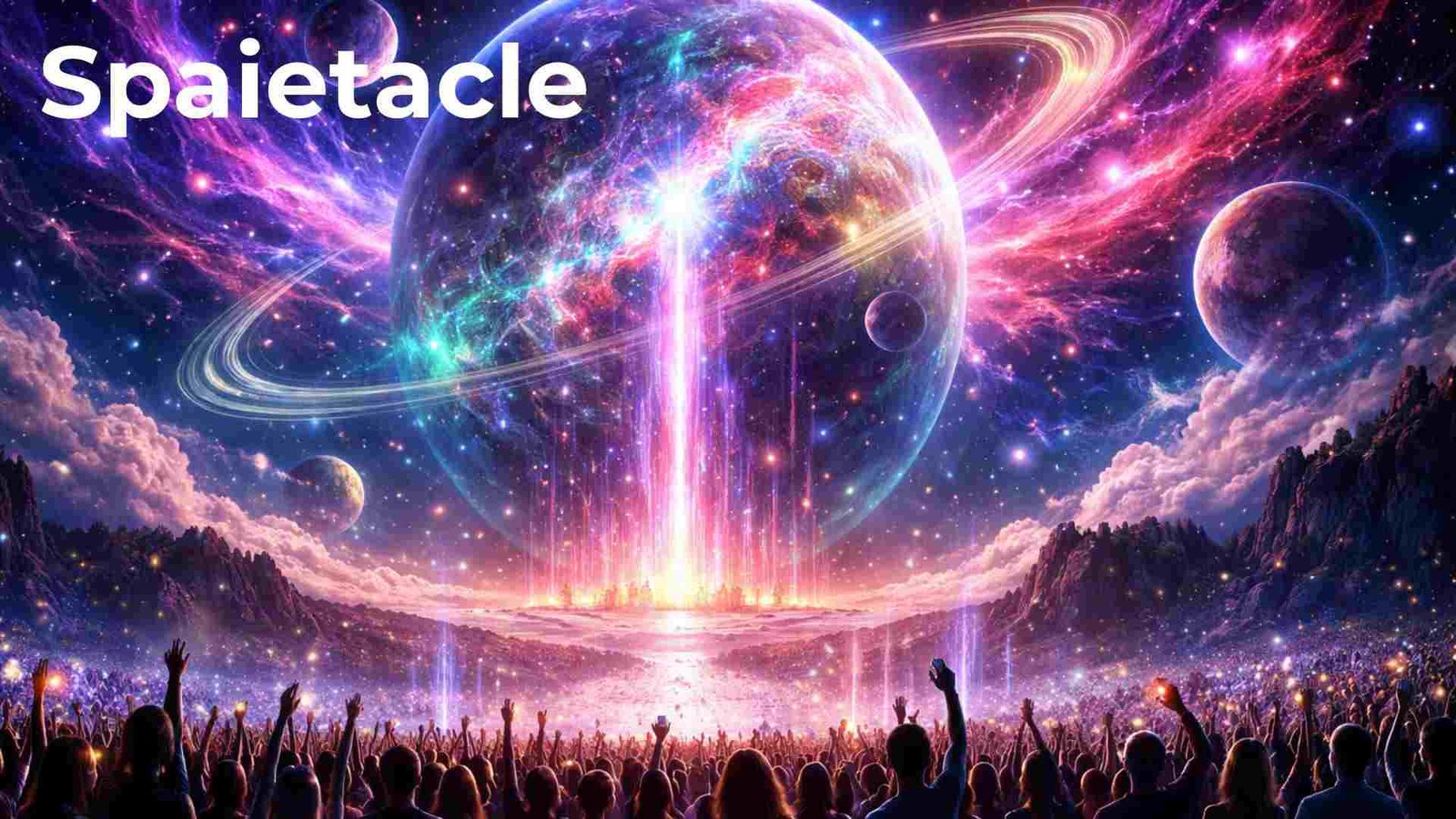
The word spaietacle combines the ideas of space and spectacle. Instead of simply watching a performance or viewing a display, audiences enter environments that respond to them. These experiences may include digital visuals, projection mapping, augmented reality, interactive lighting, and spatial sound systems that transform ordinary locations into dynamic storytelling environments.
People are searching for spaietacle because immersive experiences are becoming more popular across industries. Museums are creating digital exhibitions, brands are building interactive retail spaces, and festivals are using projection technology to create stunning visual environments. As technology evolves, the boundaries between the digital and physical worlds continue to blur.
In this article, we will explore the meaning of spaietacle, its origins, the technologies behind it, and how it is shaping industries such as entertainment, retail, education, and tourism. We will also examine its benefits, challenges, and the exciting possibilities that lie ahead.
2. What Is Spaietacle?
The term spaietacle refers to an immersive experience where a physical space is transformed into a spectacle through technology, design, and storytelling. In a spaietacle environment, the space itself becomes part of the performance. Instead of being passive observers, visitors interact with their surroundings and influence the experience.
At its core, spaietacle combines spatial design with dramatic visual or sensory elements. Lighting, sound, digital projections, and interactive technology work together to create environments that capture attention and stimulate the senses. The goal is to make the audience feel as if they are inside the story rather than simply watching it.This concept differs from traditional entertainment. In conventional performances such as concerts or theater shows, audiences usually sit and watch from a distance. A spaietacle, however, often allows visitors to move through the environment, explore different elements, and interact with installations.
The term has gained attention online because people increasingly value experiences over passive entertainment. Social media has also contributed to this trend. Immersive environments are highly visual and shareable, making them ideal for photography and online content. As a result, brands, artists, and event organizers are adopting spaietacle-style experiences to create memorable moments that audiences want to share.
Ultimately, spaietacle represents a new way of thinking about space. Instead of viewing locations as static environments, designers now see them as interactive stages where stories unfold.
3. Origin and Meaning of the Word Spaietacle
The Linguistic Roots of Spaietacle
The word spaietacle is a creative combination of two familiar words: space and spectacle. Together, they describe environments that transform physical spaces into dramatic and engaging experiences.
This concept reflects a growing trend in creative industries where designers, architects, and technologists collaborate to produce immersive environments. As digital technology becomes more advanced and accessible, the idea of turning ordinary spaces into captivating spectacles has gained popularity.
Over time, the term spaietacle has evolved to describe experiences that blend architecture, storytelling, and interactive technology.
How the Concept Emerged?
The concept behind spaietacle did not appear suddenly. It developed gradually as artists and designers began experimenting with immersive environments. Digital projections, large-scale light installations, and interactive sound systems made it possible to transform buildings, galleries, and public spaces into living experiences.
Interactive technology also played a key role. Motion sensors, augmented reality applications, and real-time data processing allow environments to respond to visitor movement and behavior.
Early Examples of Spaietacle Concepts
Many early examples of spaietacle-style experiences can be found in art exhibitions and festivals. Projection mapping events have turned city buildings into animated canvases. Museums have introduced interactive displays that respond to visitors’ actions. Experimental art exhibitions have created rooms filled with digital visuals, sounds, and lights that surround the audience.
These early experiments demonstrated how technology could transform space into a powerful storytelling medium.
4. Core Elements That Define a Spaietacle
A true spaietacle experience includes several essential elements that work together to create immersion and engagement.
Spatial Storytelling
In a spaietacle environment, the physical space itself tells a story. Instead of presenting information on a screen or stage, designers use architecture, lighting, and digital visuals to guide visitors through a narrative journey.
Multi-Sensory Design
Another defining characteristic of spaietacle is the use of multiple senses. Visual projections, ambient sounds, lighting effects, and even scent or touch can contribute to the overall experience. These sensory elements create a deeper emotional connection with visitors.
Interactivity and User Participation
Interactivity is one of the most exciting aspects of a spaietacle. Visitors are not simply spectators; they become participants. Motion sensors, touch interfaces, or mobile apps allow audiences to influence the environment.
Technology Integration
Modern technologies such as augmented reality, virtual reality, artificial intelligence, and projection mapping play a central role in spaietacle experiences. These tools enable designers to create environments that change and respond in real time.
Dynamic Environments
Finally, spaietacle spaces are dynamic rather than static. Lighting, visuals, and sound may change depending on visitor movement or time, creating unique experiences for every participant.
5. Key Features of a Successful Spectacle Experience
A successful spaietacle experience blends creativity, technology, and storytelling in a way that captivates audiences. The most memorable environments combine immersive storytelling with interactive architecture, allowing visitors to explore and discover elements at their own pace.
Emotional engagement is another important feature. Designers aim to create experiences that evoke curiosity, excitement, or wonder. When visitors feel emotionally connected to an environment, they are more likely to remember and share it.Integration between digital and physical elements also defines strong spaietacle experiences. Instead of technology feeling separate from the environment, it becomes seamlessly integrated into walls, floors, ceilings, and objects.
Finally, shareable visual impact plays a role in the success of many modern immersive environments. Striking visuals encourage visitors to take photos or videos, extending the reach of the experience through social media platforms.
6. How Spaietacle Is Transforming Different Industries?
The concept of spaietacle is influencing a wide range of industries, changing how organizations connect with audiences.
In the entertainment industry, concerts and festivals are becoming more immersive. Digital visuals, interactive stages, and synchronized lighting systems create environments where audiences feel surrounded by the performance.
Museums and art galleries are also embracing spaietacle concepts. Immersive exhibitions allow visitors to step inside artworks or historical scenes. Instead of reading information panels, audiences experience stories through dynamic environments.
Retail spaces are another area where spaietacle is making an impact. Brands are using experiential marketing to attract customers. Interactive displays, immersive showrooms, and digital storytelling environments encourage visitors to explore products in engaging ways.
Education is also benefiting from immersive environments. Virtual classrooms, historical simulations, and interactive learning spaces help students understand complex topics through direct experience.
Tourism and cultural attractions are adopting spaietacle-style experiences to enhance visitor engagement. Digital storytelling, projection mapping, and interactive exhibits bring history and culture to life in memorable ways.
7. Technology Behind Spaietacle Experiences
The power of spaietacle experiences comes largely from advanced technologies that transform physical spaces.
Augmented reality allows digital elements to appear within real-world environments. Visitors may see additional information, animations, or characters through mobile devices or AR glasses.Virtual reality creates fully immersive environments where users enter digital worlds. While VR experiences often occur through headsets, they can also be integrated into physical installations.
Projection mapping is another important technology. It projects digital visuals onto buildings, walls, or objects, turning them into animated displays.Spatial audio systems create sound environments that change depending on a visitor’s location. This technology enhances immersion by making audio feel natural and directional.Motion sensors and artificial intelligence enable environments to respond to visitor behavior. Lights, sounds, or visuals can change based on movement or interaction.
Finally, mixed reality and spatial computing combine multiple technologies to produce interactive environments where digital and physical elements coexist seamlessly.
8. How to Design or Create a Spectacle?
Designing a spaietacle begins with defining a clear story and emotional goal. Designers must decide what visitors should feel or learn during the experience.
The next step involves mapping the visitor journey. Understanding how people move through a space helps designers place interactive elements effectively.Choosing the right technology is also crucial. Not every project requires advanced VR or AI systems. Sometimes simple lighting, sound, and projection techniques can create powerful immersive environments.Designers then add multi-sensory layers to enhance the experience. Visual elements, music, ambient sound, and tactile features work together to build immersion.
Finally, testing and refining the experience ensures that the environment functions smoothly and provides the intended emotional impact.
9. Real-World Examples of Spaietacle Concepts
Examples of spaietacle concepts can be found in many creative projects around the world. Immersive art galleries often feature rooms filled with digital projections that surround visitors with moving images and music.
Digital light festivals transform city streets and landmarks into spectacular visual displays. Buildings become animated canvases through projection mapping.Interactive exhibitions invite visitors to participate in installations by touching, moving, or influencing digital elements.Experimental theater spaces are also embracing spaietacle concepts. Instead of traditional stages, performances occur throughout the environment, allowing audiences to move freely.Tech-driven brand activations are another example. Companies create immersive spaces where customers interact with products through storytelling, digital displays, and interactive features.
10. Benefits of Spaietacle Experiences
Spaietacle experiences provide several advantages for creators, organizations, and audiences. The most obvious benefit is stronger audience engagement. When people actively participate in an environment, they feel more connected to the experience.
Memorable storytelling is another advantage. Immersive environments allow stories to unfold around the visitor, making them easier to remember.For businesses and brands, spaietacle experiences can enhance visibility. Unique environments attract media attention and social media sharing.These experiences also create emotional connections. When visitors feel inspired, amazed, or curious, they are more likely to develop lasting impressions.Finally, the visual impact of immersive environments encourages visitors to share their experiences online, extending the reach of the event or installation.
11. Challenges and Limitations of Spaietacle
Despite its potential, spaietacle experiences also present challenges. One of the biggest obstacles is cost. Designing immersive environments often requires advanced technology, skilled professionals, and significant investment.Technical complexity is another challenge. Interactive systems must operate reliably while handling large numbers of visitors.
Maintenance is also important. Equipment such as projectors, sensors, and digital displays require regular updates and repairs.Accessibility must be considered as well. Designers should ensure that immersive experiences are inclusive and comfortable for all visitors.Finally, privacy concerns may arise when interactive systems collect data from participants. Organizations must ensure that data is handled responsibly.
12. Spaietacle as a Brand or Business Concept
The concept of spiracle is also evolving into a potential business model. Creative agencies are offering immersive design services that help brands create memorable environments.
Entertainment companies are developing large-scale experiences that attract visitors seeking unique forms of entertainment.Digital platforms and design studios are collaborating to produce interactive installations for exhibitions, conferences, and festivals.Event production companies are also integrating spiracle-style environments into concerts, product launches, and cultural events.As demand for immersive experiences grows, businesses that specialize in spatial storytelling and interactive design may find significant opportunities.
13. The Future of Spaietacle
The future of spaietacle looks promising as technology continues to evolve. Artificial intelligence will likely enable environments that adapt dynamically to visitor behavior.
Smart cities may incorporate interactive public spaces where digital installations respond to community activity.Holographic performances could allow audiences to experience concerts or theatrical productions in entirely new ways.Integration with the metaverse may also play a role, allowing physical immersive environments to connect with digital worlds.
Finally, sustainable design will become increasingly important. Future spaietacle experiences may incorporate eco-friendly materials and energy-efficient technologies.
14. Why Spaietacle Is Becoming a Popular Trend
The growing popularity of spaietacle reflects broader changes in how people engage with entertainment and culture. Many audiences now prefer immersive experiences that allow them to participate rather than simply observe.Social media has also played a major role. Visually striking environments attract attention online, encouraging creators to design experiences that are both engaging and shareable.Advances in spatial computing, interactive displays, and digital storytelling tools are making immersive environments easier to create.
Additionally, businesses are increasingly interested in experiential marketing strategies that capture audience attention through memorable experiences.
15. Tips for Businesses Using Spaietacle Experiences
Businesses interested in creating spaietacle environments should begin with storytelling. Technology should support the narrative rather than replace it.Interactive design is also essential. Visitors should feel encouraged to explore and influence the environment.Using technology strategically ensures that installations remain functional and effective.Accessibility and inclusivity should be prioritized so that all visitors can enjoy the experience comfortably.
Finally, designers should focus on creating visually memorable environments that encourage sharing and conversation.
FAQ’s
1. What does the term spaietacle mean?
Spaietacle describes immersive environments where physical spaces become spectacles through technology, design and storytelling.
2. Is spaietacle a technology or an experience?
Spaietacle is primarily an experience, though it often uses technologies such as AR, VR, projection mapping, and interactive sensors.
3. Where are spaietacle experiences commonly used?
They appear in museums, festivals, retail spaces, concerts, art exhibitions, and tourism attractions.
4. How are spaietacle environments created?
Designers combine spatial architecture, digital visuals, sound design, and interactive technology to transform environments into immersive experiences.
5. Why are immersive environments becoming popular?
People increasingly value memorable experiences that combine entertainment, creativity, and interaction.
Conclusion
The concept of spiracle represents a powerful shift in how we design and experience environments. By combining space with spectacle, creators can transform ordinary locations into immersive worlds filled with storytelling, technology, and interaction.
Across industries such as entertainment, education, retail, and tourism, special experiences are redefining audience engagement. They encourage participation, emotional connection and memorable storytelling.As technology continues to evolve, the possibilities for immersive environments will expand even further. With innovations in artificial intelligence, spatial computing, and digital design, spectacle may become a defining element of future experiences.
Looking for more Article? Check out my website for the latest content.