
What Is Adenoidid: Meaning, Symptoms, Causes, Diagnosis And Treatment Guide
Introduction
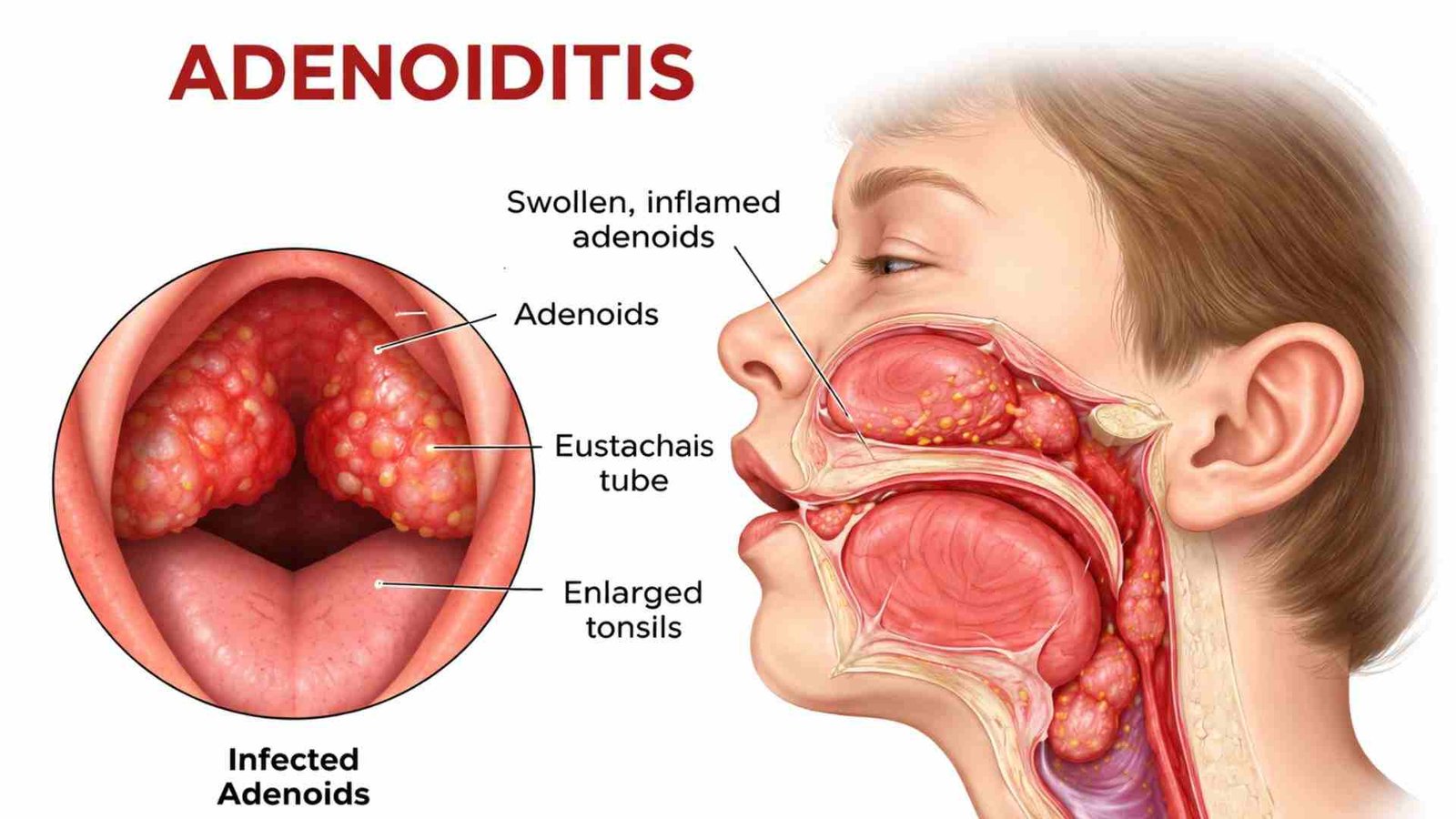
Adenoidid is a term commonly used to describe inflammation or infection of the adenoids, small glands located at the back of the nasal cavity. These glands are part of the immune system and play an important role in protecting the body from bacteria and viruses, especially during early childhood. When the adenoids become infected or swollen, the condition can lead to breathing problems, sleep disturbances, and recurring infections.
Many people search for Adenoidid online because they notice symptoms such as chronic nasal congestion, mouth breathing, or loud snoring in themselves or their children. Since these symptoms often overlap with other respiratory issues, understanding Adenoidid can help individuals recognize when medical attention may be needed.
Adenoiditis is closely related to adenoid infections and enlargement of the adenoids. In some cases, repeated infections cause the adenoids to become enlarged, which may block the airway and affect breathing during sleep. Children are particularly vulnerable because their adenoids are larger and more active during early development.
This article provides a complete guide to Adenoidid, including its meaning, causes, symptoms, diagnosis methods, and treatment options. By the end, readers will understand how this condition develops and what steps can be taken to manage or prevent it effectively.
What Is Adenoidid?
Adenoiditis refers to the inflammation or infection of the adenoids, which are small masses of lymphoid tissue located behind the nasal passages. These tissues function as part of the immune system by trapping harmful bacteria and viruses that enter through the nose or mouth. When the adenoids become infected repeatedly, they may swell and cause various health problems.
It is important to understand the difference between Adenoid and enlarged Adenoids. Adenoiditis specifically refers to the inflammation or infection of the tissue, while enlarged adenoids describe a condition where the adenoids grow larger than normal, often as a result of repeated infections. In many cases, Adenoiditis can lead to enlarged adenoids if the inflammation becomes chronic.Adenoids play a critical role in protecting the body from infections during early childhood. They act as a defense system by producing immune cells that help fight pathogens. However, as children grow older, the immune system becomes stronger and other defense mechanisms develop, making the adenoids less essential.
These tissues are located in the upper part of the throat behind the nose, an area known as the nasopharynx. Because of their location, swelling or infection can easily block the nasal airway and affect breathing.Adenoids are particularly important during childhood because children are exposed to many new germs. Over time, the adenoids gradually shrink and become less active, which is why Adenoiditis is much less common in adults.
Anatomy of the Adenoids
The adenoids are small glands situated in the nasopharynx, which is the space where the nasal passages meet the upper throat. Although they are not visible through the mouth like tonsils, they are an essential component of the body’s immune defense system during early development.
The primary function of the adenoids is to capture harmful microorganisms that enter the body through breathing. When bacteria or viruses pass through the nose, the adenoids trap them and activate immune responses to prevent infections from spreading deeper into the respiratory system.
Adenoids are part of a larger network of lymphatic tissues that includes the tonsils and other immune structures located in the throat. Together, these tissues form a protective ring known as Waldeyer’s ring, which acts as a barrier against pathogens entering through the nose and mouth.As children grow, the role of the adenoids gradually decreases. During infancy and early childhood, they are relatively large and highly active because the immune system is still developing. However, after the age of about seven or eight, the adenoids begin to shrink naturally. By adolescence, they often become very small or disappear completely.
This natural reduction explains why Adenoiditis is primarily a childhood condition. Understanding the anatomy and function of the adenoids helps explain how infections can develop and why symptoms such as nasal blockage or snoring occur when the tissue becomes inflamed.
What Causes Adenoiditis?
Adenoiditis can develop due to several factors that trigger inflammation or infection in the adenoids. The most common causes are bacterial and viral infections that affect the upper respiratory tract. When pathogens enter the nasal passages, the adenoids attempt to trap them, but repeated exposure can overwhelm the immune response and lead to infection.
Bacterial infections are a frequent cause of Adenoiditis. Bacteria such as streptococcus may infect the adenoid tissue, causing swelling, pain, and persistent nasal congestion. Antibiotics are often required to treat these infections when they become severe.Viral infections also play a significant role. Common respiratory viruses, including those that cause colds or flu, can inflame the adenoids and lead to symptoms such as fever, nasal blockage, and throat irritation. Viral infections are particularly common in young children who attend daycare or school.
Allergies can contribute to chronic inflammation of the adenoids. Exposure to allergens such as dust, pollen, or pet dander may trigger immune responses that cause swelling in the nasal passages and adenoid tissue.Chronic sinus infections can also lead to Adenoiditis because infected mucus can accumulate in the nasal passages and irritate the adenoids. Environmental irritants such as pollution, tobacco smoke, and chemical fumes may further aggravate the condition.
In some cases, genetic predisposition and a weakened immune system can make individuals more susceptible to repeated infections and inflammation of the adenoids.
Risk Factors for Adenoidid
Several risk factors can increase the likelihood of developing Adenoidid, particularly during childhood. Age is one of the most significant factors because adenoids are larger and more active in younger children. As a result, infections and inflammation are more likely to occur in this age group.
Frequent respiratory infections also increase the risk. Children who experience repeated colds, sinus infections, or throat infections may develop chronic inflammation in the adenoids. Over time, these repeated infections can lead to persistent swelling and symptoms such as mouth breathing or snoring.
Exposure to environmental pollutants is another important factor. Air pollution, secondhand smoke, and dust particles can irritate the nasal passages and contribute to inflammation of the adenoids. Children living in areas with poor air quality may therefore have a higher risk of Adenoidid.A family history of ear, nose, and throat conditions may also increase susceptibility. Some individuals inherit anatomical features or immune responses that make them more prone to infections of the upper respiratory tract.
Poor immune health can further increase the risk of Adenoiditis. Children who have weakened immune systems due to illness, poor nutrition, or lack of sleep may struggle to fight off infections effectively. Strengthening the immune system through healthy lifestyle habits can help reduce the likelihood of developing this condition.
Common Symptoms of Adenoidid
The symptoms of Adenoidid often develop gradually and may initially resemble those of a common cold. However, when the adenoids remain inflamed for long periods, the symptoms can become persistent and more noticeable.
One of the most common symptoms is nasal congestion. Swollen adenoids can block the nasal passages, making it difficult to breathe through the nose. As a result, many individuals begin breathing through their mouth instead.Mouth breathing is another key symptom of Adenoidid. Children who experience chronic mouth breathing may also develop dry lips, bad breath, and throat irritation. Over time, this habit can even affect facial development.
Snoring during sleep is also common. Enlarged or inflamed adenoids can partially block the airway, causing loud snoring and disrupted sleep patterns. Poor sleep may lead to fatigue, irritability, and difficulty concentrating during the day.
A nasal or muffled voice can occur because blocked nasal passages change the way sound travels through the throat and mouth. Recurrent ear infections may also develop due to the close connection between the adenoids and the Eustachian tubes that regulate ear pressure.Other symptoms include difficulty swallowing, frequent throat infections, and persistent bad breath caused by bacterial growth in the throat.
Early Warning Signs of Adenoidid in Children
Recognizing the early warning signs of Adenoidid in children is important because early treatment can prevent complications. One of the earliest indicators is chronic mouth breathing. Parents may notice that their child frequently keeps their mouth open while sleeping or resting.
Restless sleep is another warning sign. Children with Adenoiditis often struggle to breathe comfortably during sleep, leading to frequent waking, tossing, and turning throughout the night.Frequent colds may also indicate an underlying issue with the adenoids. When the tissue remains inflamed, it may become more susceptible to repeated infections.
Reduced appetite can occur because nasal blockage makes swallowing and breathing simultaneously more difficult. In some cases, children may eat less due to discomfort or fatigue caused by poor sleep.Delayed speech development may also occur if persistent nasal blockage affects sound production. Behavioral changes such as irritability, hyperactivity, or difficulty focusing in school can result from poor sleep quality associated with Adenoiditis.
Complications of Untreated Adenoidid
If Adenoidid is not treated properly, it can lead to several complications that affect overall health and quality of life. One of the most serious complications is sleep apnea, a condition where breathing repeatedly stops and starts during sleep due to airway obstruction.Chronic ear infections are another potential complication. Swollen adenoids can block the Eustachian tubes, preventing proper drainage of fluids from the middle ear. This can lead to recurrent infections and discomfort.
Hearing problems may develop if fluid accumulates in the middle ear over long periods. Children with untreated Adenoiditis may experience temporary hearing loss, which can interfere with learning and communication.Sinus infections are also more likely because blocked nasal passages can prevent mucus from draining properly. Over time, this can lead to persistent sinus pressure and headaches.
In severe cases, prolonged mouth breathing caused by Adenoidid may affect facial growth and dental development in children. Addressing the condition early can help prevent these long-term complications.
How Adenoidid Is Diagnosed?
Doctors diagnose Adenoiditis using a combination of medical history evaluation and physical examination. The healthcare provider typically begins by asking about symptoms such as snoring, nasal congestion, or frequent infections.
During the physical examination, the doctor may inspect the throat, nose, and ears for signs of inflammation or infection. Because the adenoids are located behind the nasal cavity, they cannot be seen directly without special instruments.A nasal endoscopy may be used to examine the adenoids more closely. This procedure involves inserting a small flexible camera through the nose to view the adenoid tissue.
X-ray imaging can also help determine whether the adenoids are enlarged and blocking the airway. In some cases, doctors may recommend a sleep study if sleep apnea is suspected.Hearing tests may also be performed to check for fluid buildup in the middle ear, which can occur when swollen adenoids interfere with normal ear function.
Treatment Options for Adenoidid
Treatment for Adenoidid depends on the severity of the symptoms and the underlying cause of the condition. In mild cases, doctors may recommend medications to reduce inflammation and control infection.Antibiotics are commonly prescribed when a bacterial infection is responsible for the inflammation. These medications help eliminate harmful bacteria and reduce swelling in the adenoid tissue.
Nasal steroid sprays may also be used to decrease inflammation and improve breathing through the nose. These sprays are particularly helpful for individuals who have Adenoidid associated with allergies.Allergy treatments such as antihistamines can reduce allergic reactions that contribute to swelling in the nasal passages and adenoids. Pain relief medications may also be recommended to manage discomfort and fever associated with infections.
In many cases, a combination of medical treatments and lifestyle changes can effectively control symptoms and prevent recurring infections.
Home Remedies and Lifestyle Management
Several home remedies and lifestyle adjustments can help manage Adenoidid symptoms and support recovery. Steam inhalation is one of the most commonly recommended methods for relieving nasal congestion. Breathing warm steam helps loosen mucus and reduce irritation in the nasal passages.
Saline nasal rinses are also effective for clearing blocked nasal passages and removing allergens or bacteria. These rinses help keep the nasal cavity clean and may reduce inflammation in the adenoids.Proper hydration plays an important role in recovery. Drinking enough fluids helps thin mucus, making it easier to clear from the respiratory system.
Using humidifiers in bedrooms can add moisture to the air, preventing dryness that may worsen nasal irritation. A healthy diet rich in vitamins and minerals can also strengthen the immune system, allowing the body to fight infections more effectively.
When Is Adenoid Surgery Needed?
Surgery may be recommended when Adenoidid causes severe or persistent symptoms that do not respond to medical treatment. One of the most common reasons for surgery is severe airway obstruction that interferes with breathing.
Chronic infections that repeatedly affect the adenoids may also require surgical removal of the tissue. Children who experience frequent ear infections due to blocked Eustachian tubes may benefit from this procedure.Sleep apnea caused by enlarged adenoids is another major indication for surgery. Removing the adenoids can significantly improve breathing during sleep and reduce snoring.
Doctors typically recommend surgery only after other treatments have been attempted. The decision is made based on the severity of symptoms, frequency of infections, and impact on the patient’s quality of life.
Adenoidectomy (Adenoid Removal Surgery)
Adenoidectomy is a surgical procedure that removes the adenoids to eliminate chronic infections or airway obstruction. It is one of the most common surgical treatments for children with severe Adenoidid.
The procedure is usually performed under general anesthesia and takes less than an hour. During the surgery, the surgeon removes the adenoid tissue through the mouth without making external incisions.Before the surgery, doctors provide instructions regarding fasting, medications, and preparation. Most patients are able to go home the same day after a short recovery period.
Although adenoidectomy is generally safe, there are potential risks such as bleeding, infection, or temporary throat discomfort. However, serious complications are rare, and most children recover quickly.
Recovery After Adenoid Surgery
Recovery after adenoid surgery is usually smooth and relatively quick. Most patients experience mild throat discomfort and nasal congestion for a few days after the procedure.
Pain management may include mild pain relievers recommended by the doctor. Soft foods such as yogurt, soup, and mashed vegetables are often recommended during the first few days to prevent throat irritation.Children can typically return to normal activities within one to two weeks. However, strenuous activities should be avoided during the early stages of recovery.
Following the doctor’s instructions carefully helps ensure a smooth healing process and reduces the risk of complications.
Prevention Tips for Adenoidid
Preventing Adenoiditis involves maintaining good respiratory health and strengthening the immune system. One of the most effective strategies is ensuring a balanced diet that includes fruits, vegetables, and essential nutrients.
Managing allergies is also important because untreated allergies can contribute to chronic inflammation of the adenoids. Avoiding environmental pollutants such as cigarette smoke can further reduce irritation in the nasal passages.
Practicing good hygiene, including regular handwashing, can help prevent infections that may trigger Adenoiditis. Early treatment of respiratory infections can also prevent complications and reduce the risk of chronic inflammation.
Adenoidid in Adults vs Children
Adenoidid is far more common in children than in adults. This is because adenoids are larger and more active during childhood. As people grow older, the adenoids gradually shrink and become less significant in the immune system.
Children often experience symptoms such as mouth breathing, snoring, and frequent ear infections. Adults, on the other hand, rarely develop Adenoidid because their adenoids have usually shrunk significantly.
Treatment approaches may also differ between adults and children. While children sometimes require surgical removal of the adenoids, adults typically respond well to medication and treatment of underlying infections.
When to See a Doctor
Medical attention should be sought when symptoms of Adenoidid persist or worsen over time. Persistent breathing problems, especially during sleep, may indicate significant airway obstruction.
Frequent ear infections or severe snoring can also signal underlying issues with the adenoids. Recurrent throat infections or difficulty swallowing should not be ignored, as they may require medical evaluation.Early consultation with a healthcare professional ensures accurate diagnosis and timely treatment.
FAQ’s
1. What is Adenoidid?
Adenoidid refers to inflammation or infection of the adenoids, which are immune tissues located behind the nasal cavity.
2. Is Adenoidid dangerous?
In most cases it is treatable, but untreated Adenoidid can lead to complications such as sleep apnea or ear infections.
3. Can Adenoidid go away on its own?
Mild cases may improve as infections clear, but persistent symptoms often require medical treatment.
4. At what age do adenoids shrink?
Adenoids typically begin shrinking after the age of seven and continue decreasing during adolescence.
5. Is adenoid surgery safe for children?
Yes, adenoidectomy is generally safe and widely performed, with most children recovering quickly.
6. How long does recovery take after adenoidectomy?
Most children recover within one to two weeks after surgery.
Conclusion
Adenoidid is a condition that occurs when the adenoids become inflamed or infected, often leading to breathing difficulties, sleep problems, and recurring infections. Although it primarily affects children, understanding its symptoms and causes can help parents and caregivers recognize the condition early.
With proper diagnosis and treatment, most cases of Adenoidid can be managed effectively. Medications, lifestyle changes, and in some cases surgical removal of the adenoids can significantly improve breathing and overall health.Early medical evaluation is essential if symptoms such as chronic mouth breathing, snoring, or repeated infections persist. By addressing the condition promptly, individuals can prevent complications and maintain healthy respiratory function.
Looking for more Article? Check out my website for the latest content.