
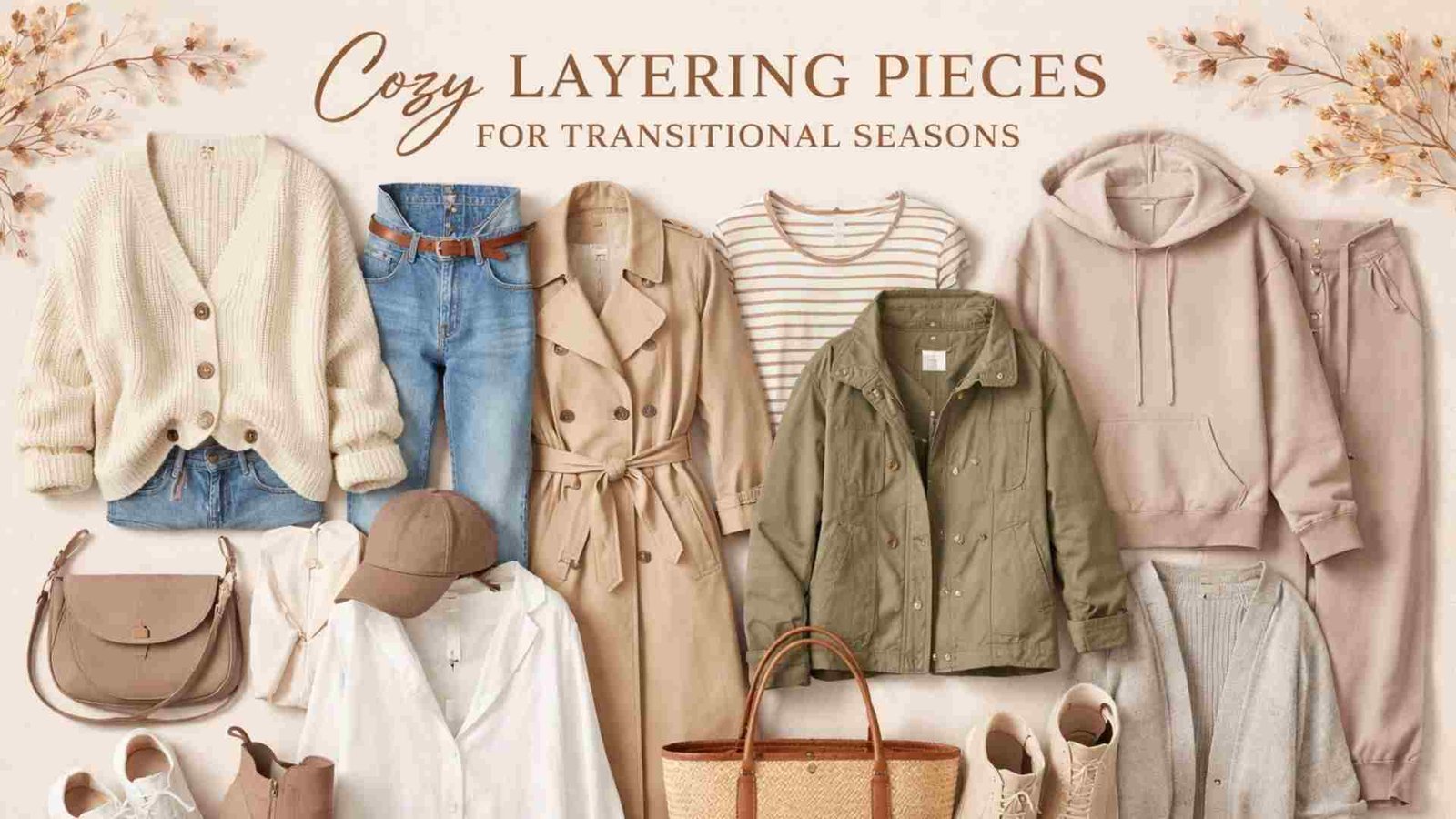
General Audience: What to Seek in Cozy Layering Pieces for Transitional Seasons
As temperatures fluctuate during transitional seasons, finding the right balance between warmth and breathability in our clothing becomes a much-sought-after comfort. Seeking cozy layering pieces for transitional seasons that cater to changeable conditions is an endeavor that combines function with fashion.
In this article, we explore the various aspects to consider when choosing layers suitable for the shifting weather of spring and autumn. From material selection to layering techniques, we’ll guide you through creating a versatile and stylish wardrobe ready for all eventualities.
Selecting the Right Materials for Comfort and Versatility
The fabric of your layering pieces is the cornerstone of comfort and function. During transitional seasons, materials that offer both warmth and breathability, such as cotton, fleece, and certain synthetic blends, play a pivotal role. They must be capable of providing insulation without causing overheating when temperatures climb.
Natural fibers like merino wool and bamboo are excellent choices for base layers due to their moisture-wicking properties. They keep you dry by moving sweat away from the body, which is vital during sudden temperature changes. Fabrics such as these are also less likely to retain odors, maintaining freshness throughout the day.
When shopping, consider garments that feature a mix of fabrics for the best of both worlds. Blends which combine synthetic and natural fibers often provide durability and ease of care while maintaining the comfort offered by natural materials. Seek out pieces that tout a balance between the two for optimal versatility.
Layering Techniques for Changing Weather Conditions
Mastering the art of layering is crucial when navigating the unpredictable climate of transitional seasons. The key lies in structuring outfits that can be easily adjusted to accommodate shifts in temperature, transitioning smoothly from cool to warm conditions and vice versa.
Start with a lightweight, breathable base layer that keeps you dry. Add a middle insulating layer, like a wool sweater or a fleece jacket, which can be removed if it gets too warm. Finally, a weather-resistant outer layer will protect against wind and rain. Keep each layer relatively thin to avoid bulk and allow for maximum mobility.
An actionable strategy includes investing in reversible or multipurpose garments that double as two pieces in one, such as a jacket with a detachable inner lining. This gives you more options with fewer items, which is ideal for travel or daily commutes when carrying an extra load can be cumbersome. Layering basics can be a useful reference for understanding the foundational principles of effective layering.
Essential Features in Transitional Outerwear
Transitional outerwear should be designed with functionality to adapt to various weather conditions. Look for essential features such as adjustable hoods, cuffs, and hems that help you regulate temperature and maintain comfort. Zippers, rather than buttons, can more quickly modify ventilation as needed.
Pockets are another feature to consider, both for their practicality in storing essentials and for keeping hands warm. Water-resistant coatings and wind-blocking materials are vital if you’re often exposed to unpredictable elements. Pay attention to the fit; it should accommodate multiple layers underneath without restricting movement.
For those particularly chilly days that ambush you during a season change, ensure your outerwear incorporates an element that can endure lower temperatures, such as a quilted lining or synthetic down filling. These features should offer warmth without significantly adding to the bulk or weight of the jacket.
Styling Tips for Seamless Seasonal Transitions
Fashion and function can coexist, especially when curating a wardrobe fit for transitional weather. One key styling tip is to stick with a cohesive color palette, which will streamline your look and make mixing and matching pieces easier.
Investing in statement accessories can enhance even the simplest layered outfits. Scarves, hats, and gloves are not only practical for warding off unexpected chills but can also inject personality and variety into your ensembles. Meanwhile, stylish footwear that can withstand damp conditions, like waterproof boots or water-resistant sneakers, will complete your look.
Switching up textures and patterns can also add depth to layered outfits. A chunky knit cardigan paired with a smooth, light shirt underneath creates interest without sacrificing comfort. Embrace the art of layering with pieces that not only fulfill their practical purpose but also give you the confidence to step out in style, no matter the weather’s plans. How to layer clothes can be a great source of inspiration for distinctive combinations.
Ultimately, the transition between seasons demands a wardrobe that is as adaptable as it is stylish. By selecting the right materials, mastering layering techniques, investing in functional features, and styling with versatility in mind, you can move through spring and autumn with ease. These guidelines will ensure you’re prepared for whatever weather these unpredictable seasons may bring.
Looking for more Article? Check out my website for the latest content.