
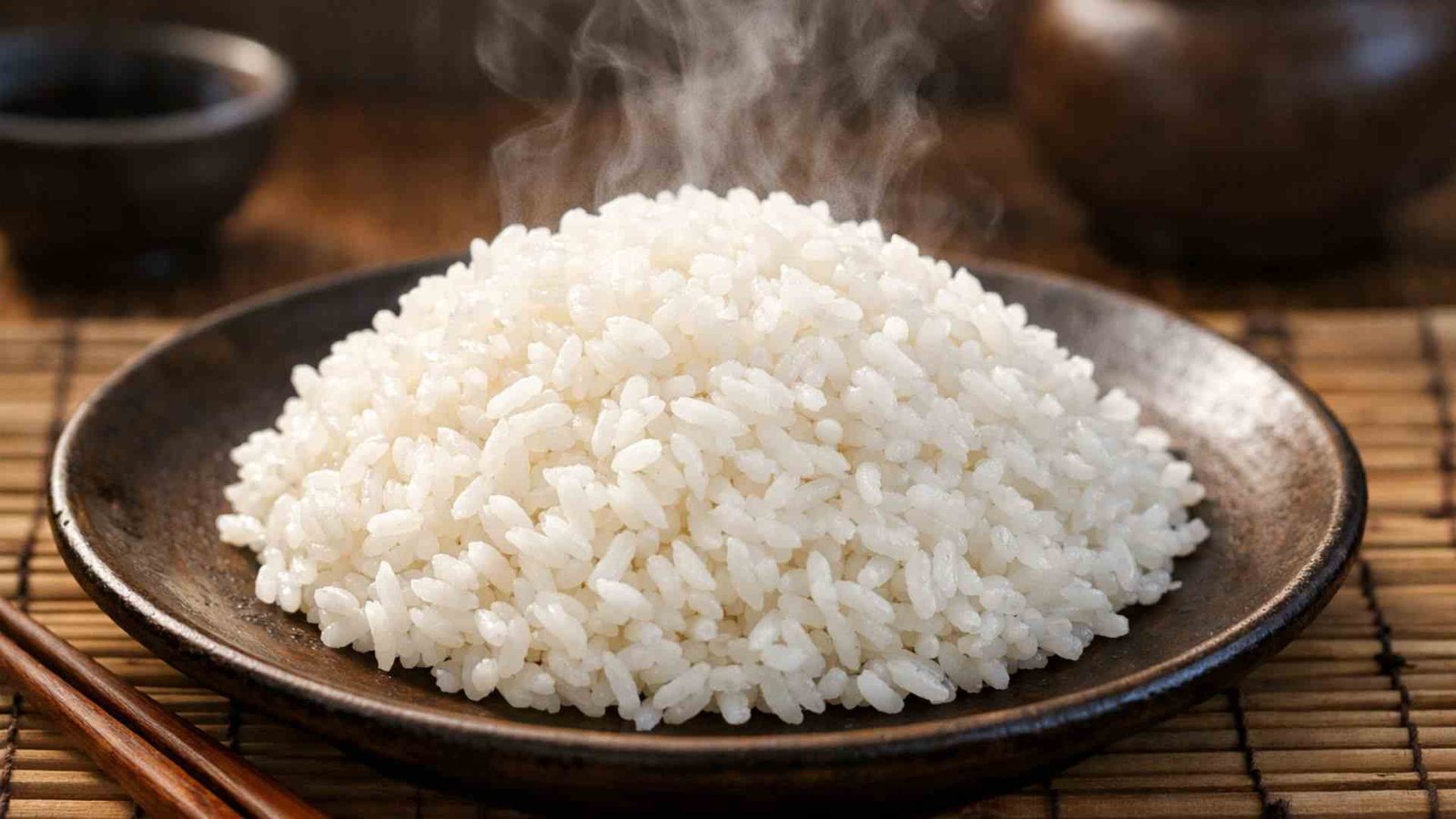
Dampfreis: The Complete Guide To Steamed Rice, Benefits, Recipes And Cooking Methods
Introduction
Dampfreis is a simple yet highly valued way of preparing rice that focuses on steaming rather than boiling. The word “Dampfreis” comes from the German language, where Dampf means steam and Reis means rice. Together, the term refers to rice cooked using steam, a method that helps preserve the grain’s texture, flavor and nutritional value.
In recent years, Dampfreis has gained popularity worldwide. As more people become interested in healthier cooking techniques and international cuisines, steaming rice has become a preferred method in many households. Unlike traditional boiled rice, Dampfreis results in grains that remain light, fluffy, and separate. This makes it an excellent side dish for a wide range of meals.
Another reason for the growing interest in Dampfreis is its connection to global food traditions. Many Asian, Middle Eastern, and European dishes rely on steamed rice as a base for flavorful meals. Because the steaming method uses minimal fat and preserves nutrients, it also fits well with modern healthy eating trends.
In this guide, you will learn everything about Dampfreis—from its definition and history to its health benefits, cooking methods, and popular recipes. By the end of this article, you will understand why this simple rice preparation technique has become a favorite around the world.
What Is Dampfreis?
Dampfreis refers to rice that is cooked using steam instead of being fully submerged in boiling water. This method gently cooks the rice while preserving its natural structure and flavor. The steaming process allows the grains to absorb moisture gradually, which results in a softer yet well-defined texture.The concept of Dampfreis is simple but effective. Instead of cooking rice directly in large amounts of water, the grains are exposed to steam generated from heated water. As the steam circulates, it cooks the rice evenly without over-saturating it. This is why Dampfreis often appears lighter and fluffier than boiled rice.
One reason steaming rice is considered healthier is that it helps retain more nutrients. When rice is boiled, some vitamins and minerals can dissolve into the cooking water. With Dampfreis, fewer nutrients are lost because the grains absorb the steam instead of releasing nutrients into excess water.Dampfreis can also refer to certain packaged rice products available in stores. Some brands sell fresh, pre-steamed, or parboiled rice designed to replicate the traditional steaming process. These options are convenient for busy households that want quick preparation while maintaining the taste and texture of authentic steamed rice.
Overall, Dampfreis represents both a cooking technique and a style of rice preparation that prioritizes quality texture, natural flavor, and nutritional preservation.
The History and Origin of Dampfreis
The technique behind Dampfreis has deep historical roots. Steaming rice is one of the oldest cooking methods used in many parts of the world, especially in Asia. For thousands of years, people have used bamboo steamers and clay pots to cook rice gently using steam.
In countries such as China, Japan, and Thailand, steamed rice has long been a staple food. These cultures developed specialized tools and cooking techniques to ensure rice remained soft, fluffy, and aromatic. The popularity of this method eventually spread beyond Asia as trade, migration, and cultural exchange introduced new cooking styles to other regions.
Europe adopted the concept of Dampfreis later, particularly through culinary influences from international cuisines. As global travel increased, European chefs and home cooks began experimenting with steamed rice dishes. German culinary terminology eventually introduced the word “Dampfreis,” describing rice prepared using steam.
Traditional dishes across different cultures demonstrate the long history of this method. Persian cuisine, for example, uses a steaming process to create dishes with crispy rice layers. In Japan, steamed rice is essential to many daily meals, while Southeast Asian cuisines pair steamed rice with curries and stir-fried dishes.The continued global spread of Dampfreis shows how a simple cooking technique can become a universal food tradition.
Why Dampfreis Is Different From Regular Rice?
Steaming vs Boiling Rice
The primary difference between Dampfreis and regular rice lies in the cooking method. Boiled rice is cooked directly in water, while Dampfreis is prepared using steam. This difference significantly affects the final texture and flavor of the rice.
Texture Differences
Steamed rice tends to produce grains that are more separate and fluffy. Because the rice absorbs moisture gradually, it avoids becoming overly soft or sticky.
Flavor and Aroma
Dampfreis often retains a more natural rice flavor. Since the grains are not diluted by excessive water, their subtle aroma and taste remain intact.
Nutritional Differences
Steaming rice can help preserve nutrients that might otherwise be lost during boiling. This makes Dampfreis a slightly healthier preparation method.
Overall, the key advantage of Dampfreis is that the grains remain fluffy and well-defined rather than clumping together.
Health Benefits of Dampfreis
Dampfreis offers several health benefits that make it appealing to people who prioritize nutritious meals. Because the cooking method involves steaming rather than frying or using excessive oils, the dish naturally contains very little fat. This makes it a suitable choice for individuals who want a lighter and healthier meal.
Another advantage of Dampfreis is its digestibility. Steamed rice is gentle on the stomach and easy to digest, which is why it is often recommended for children, elderly individuals, and people recovering from illness. Its mild flavor also allows it to pair well with many nutritious foods such as vegetables, lean meats, and legumes.The steaming method also helps preserve certain vitamins and minerals that may be lost during boiling. Nutrients such as B vitamins remain more intact because the rice does not release them into excess water.
Dampfreis can also play a role in balanced diets. When served with vegetables and proteins, it forms part of a complete meal that provides carbohydrates, fiber, and essential nutrients. Because of its versatility and nutritional profile, Dampfreis fits easily into healthy eating patterns around the world.
Dampfreis Nutrition Information
The nutritional profile of Dampfreis depends largely on the type of rice used, but in general it provides a reliable source of energy. A typical serving of steamed white rice contains around 200 calories, making it a moderate-energy food that can fuel daily activities.
Carbohydrates are the main nutrient found in Dampfreis. These carbohydrates provide energy for the body and brain, which is why rice is often included in meals around the world. While white rice contains fewer fibers than brown rice, it still contributes to daily carbohydrate needs.Protein levels in Dampfreis are relatively modest but still beneficial. Rice contains small amounts of plant-based protein that can support overall nutrition when combined with other foods. Brown rice varieties also provide additional fiber, which supports digestive health.
Vitamins and minerals present in rice include magnesium, manganese, and certain B vitamins. These nutrients contribute to metabolic functions and overall health.For people trying to manage weight, Dampfreis can still be part of a healthy diet when eaten in appropriate portions. Because it is filling and low in fat, it can help create satisfying meals when combined with nutrient-rich ingredients.
Types of Rice Used for Dampfreis
The quality of Dampfreis depends greatly on the type of rice selected. Different rice varieties produce slightly different textures and flavors when steamed.Basmati rice is one of the most popular choices for Dampfreis. Its long grains remain separate after steaming, creating a light and aromatic dish. Jasmine rice is another common option known for its soft texture and slightly floral aroma.
Brown rice is often used for a healthier version of Dampfreis because it retains the bran layer. This adds fiber and nutrients while producing a slightly firmer texture. Sticky rice, commonly used in Southeast Asian cuisine, becomes softer and more cohesive when steamed.The difference between long-grain and short-grain rice also affects the final result. Long-grain varieties produce fluffier Dampfreis, while short-grain rice creates a softer, slightly stickier texture.Choosing the right rice variety allows cooks to adapt Dampfreis for different dishes and cultural recipes.
How to Cook Dampfreis (Step-by-Step Guide)?
Preparing Dampfreis at home is straightforward and does not require complicated equipment. The most important step is selecting high-quality rice and preparing it properly before cooking.
The process usually begins by rinsing the rice. Washing the grains removes excess starch that could cause the rice to become sticky during cooking. Some cooks also soak the rice briefly, which allows it to absorb moisture evenly.
Cooking Dampfreis on the stove involves using a controlled rice-to-water ratio. The rice is heated until the water begins to produce steam, which gradually cooks the grains. A rice cooker simplifies this process because it automatically controls heat and moisture levels.
Steamers and pressure cookers can also produce excellent Dampfreis. These devices allow steam to circulate evenly around the rice, ensuring consistent cooking results.
Regardless of the method used, the key to successful Dampfreis is patience and proper moisture balance. Allowing the rice to rest briefly after cooking helps the grains settle and develop the ideal texture.
Tips for Making Perfect Dampfreis
Achieving perfect Dampfreis often comes down to a few simple techniques. One of the most important factors is using the correct rice-to-water ratio. Too much water can make the rice mushy, while too little can leave the grains undercooked.
Another helpful tip is to avoid lifting the lid during cooking. Opening the pot releases steam that is essential for the cooking process. Allowing the rice to cook undisturbed ensures even heat distribution.After the cooking time is complete, letting the rice rest for several minutes is also important. This resting period allows the remaining steam to finish cooking the grains and helps them become fluffy.
Finally, gently fluffing the rice with a fork separates the grains and improves the overall texture. Following these simple techniques can consistently produce light and fluffy Dampfreis.
Dampfreis vs Other Rice Cooking Methods
| Cooking Method | Texture | Flavor | Cooking Style |
| Dampfreis | Fluffy and separate | Natural rice flavor | Steamed |
| Boiled Rice | Soft and sometimes sticky | Slightly diluted | Cooked in water |
| Fried Rice | Slightly crispy | Savory and seasoned | Stir-fried |
| Pilaf | Rich and aromatic | Often cooked with spices | Simmered in broth |
This comparison shows how Dampfreis emphasizes simplicity and natural rice flavor compared with other cooking styles.
FAQ’s
1. What does Dampfreis mean?
Dampfreis is a German term meaning steamed rice derived from the words for steam (Dampf) and rice (Reis).
2. Is Dampfreis the same as steamed rice?
Yes. Dampfreis simply refers to rice cooked using steam rather than boiling water.
3. Can you cook Dampfreis in a rice cooker?
Yes. Most rice cookers naturally create a steaming environment, making them ideal for preparing Dampfreis.
4. Which rice is best for Dampfreis?
Long-grain varieties such as basmati or jasmine rice are commonly used because they produce fluffy grains.
5. Is Dampfreis healthier than boiled rice?
Dampfreis may retain slightly more nutrients since the rice is not cooked in excess water.
Final Thoughts on Dampfreis
Dampfreis is a simple yet versatile way of preparing rice that highlights the natural qualities of the grain. By using steam instead of boiling water, this method produces rice that is fluffy, flavorful, and nutritionally balanced. The technique has been practiced for centuries across many cultures, demonstrating its lasting value in global cuisine.
Whether served with vegetables, curries, seafood, or grilled meats, Dampfreis remains one of the most adaptable side dishes available. With the right rice variety and a few careful cooking steps, anyone can create perfect steamed rice at home. For those looking for a healthy, reliable, and delicious base for meals, Dampfreis is an excellent choice worth trying.
Looking for more Article? Check out my website for the latest content.