
Zankou Chicken Nutrition Facts: Complete Calories & Nutrition Guide
Introduction: What Are Zankou Chicken Nutrition Facts?
When people search for Zankou Chicken nutrition facts, they usually want to know one thing: how healthy is this popular Mediterranean meal? Nutrition facts include important details such as calories, protein, carbohydrates, fats, sodium, vitamins, and minerals found in each menu item. These numbers help customers understand what they are eating and how it fits into their daily diet.
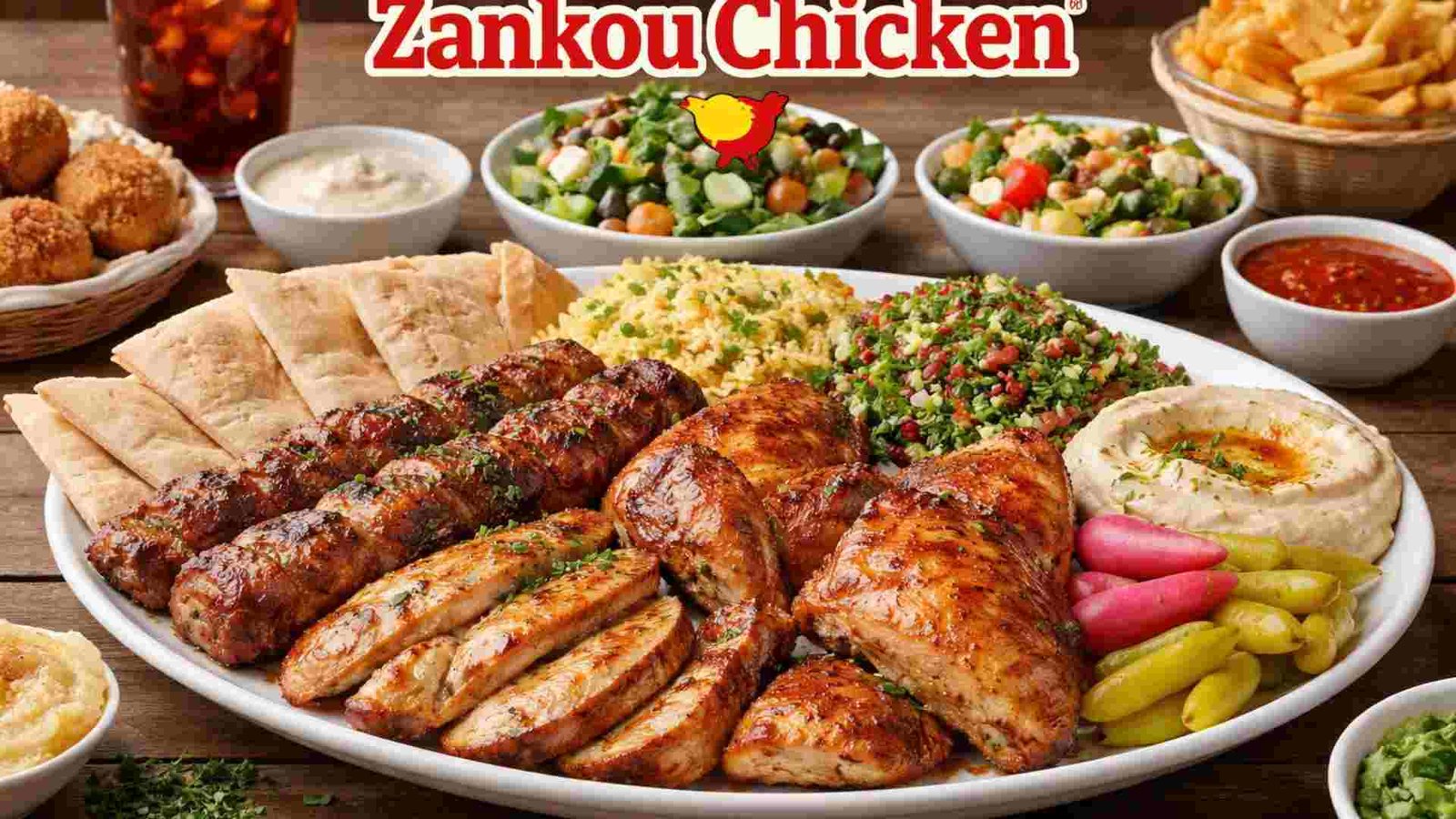
Zankou Chicken is a well-known Mediterranean restaurant famous for its rotisserie chicken, shawarma wraps, creamy garlic sauce, hummus, rice pilaf and pita bread. Many people love the rich flavors and generous portions. However, with tasty food often comes questions about calories and fat content.
Understanding Zankou Chicken Menu & Nutrition
To understand Zankou Chicken nutrition facts clearly, it helps to look at the full menu and how different items contribute to your daily nutrient intake. The restaurant’s menu mainly focuses on roasted meats, Middle Eastern sides, and signature sauces. While the ingredients are simple, the nutritional values can vary depending on portion size and preparation.
The most popular item is rotisserie chicken. Customers can order a breast, leg, thigh, or even a whole chicken. Chicken is naturally rich in protein and low in carbohydrates, especially when eaten without the skin. However, the skin adds extra fat and calories.
Side items also play a big role in overall nutrition. Garlic sauce, which is creamy and flavorful, is high in fat because it is made mainly from oil and garlic. Hummus provides healthy fats and plant-based protein but still adds calories. Rice pilaf and pita bread increase carbohydrate intake, especially in combo plates and wraps.
Wraps and plates combine several ingredients into one meal. A chicken wrap includes pita bread, garlic sauce, and vegetables, making it higher in carbs and fat than plain chicken. Large combo plates with rice and multiple sides can significantly increase calorie intake. Understanding these combinations helps explain why Zankou Chicken nutrition facts can vary so much from one meal to another.
Estimated Calories and Macro Breakdown (Overview)
When looking at Zankou Chicken nutrition facts, calories and macronutrients are the most important numbers to consider. Macronutrients include protein, carbohydrates, and fats. Each one provides energy and supports different body functions.
For example, a 200-gram serving of rotisserie chicken may contain around 400 calories, about 30 grams of protein, 25 grams of fat, and 10 grams of carbohydrates. The protein mainly comes from the chicken itself, while fats increase if the skin is included.
Carbohydrates usually come from added sauces or side dishes rather than the meat.
A plain 3-ounce serving of chicken breast without skin is relatively low in calories and fat while being high in protein. This makes it a good option for people focusing on muscle building or weight management. On the other hand, adding garlic sauce can quickly increase the fat content because the sauce is oil-based.
Portion size also plays a major role. Restaurant servings are often larger than standard serving sizes. A full plate with rice, hummus, pita bread, and sauce may easily reach 900 to 1,200 calories. That could represent nearly half or more of a person’s daily calorie needs. Therefore, understanding portion control is essential when evaluating Zankou Chicken nutrition facts.
Detailed Nutrition Facts Table
Below is an estimated nutrition table for popular menu items. These values may vary slightly depending on location and preparation methods.
| Food Item | Calories | Protein | Carbs | Fat | Sodium |
| Rotisserie Chicken (3 oz) | 150 | 27g | 0g | 3g | 60mg |
| Garlic Sauce (2 tbsp) | 170 | 1g | 2g | 18g | 120mg |
| Hummus (1/4 cup) | 100 | 4g | 8g | 6g | 120mg |
| Chicken Wrap | ~550 | 25g | 55g | 20g | 800mg |
| Chicken Plate (average) | 900 to 1200 | 35g | 70g | 45g | 1000mg+ |
This table shows how quickly calories can increase when multiple ingredients are combined. Plain chicken remains the leanest option, while combo plates contain the highest calorie and sodium levels.
What Do These Nutrition Facts Mean?
Understanding numbers is important, but knowing what they mean for your health is even more valuable. Let’s break down the key components of Zankou Chicken nutrition facts.
Calories
Calories measure how much energy food provides. Plain rotisserie chicken is relatively low in calories compared to full plates. However, adding rice, pita bread, hummus, and garlic sauce can significantly increase total calorie intake. High-calorie meals may contribute to weight gain if eaten frequently without balancing physical activity.
Protein
Protein is one of the strongest benefits of Zankou Chicken. Chicken is naturally high in protein, which supports muscle growth, tissue repair, and overall body function. For people following high-protein diets, this restaurant can be a convenient choice. A serving of chicken can provide over 25 grams of protein, which is a substantial portion of daily needs.
Carbohydrates
Carbohydrates in Zankou Chicken meals mainly come from pita bread, rice pilaf, wraps, and hummus. While carbs provide energy, excessive portions may not be ideal for people following low-carb diets. Choosing fewer starchy sides can help reduce carb intake.
Fats & Sodium
Fat content increases significantly with garlic sauce and chicken skin. While some fats are necessary for health, too much can increase calorie intake. Sodium levels can also be high, especially in combo plates. High sodium intake may raise blood pressure, so individuals watching salt intake should be cautious.
Best & Worst Choices for Health at Zankou Chicken
Making healthier choices is possible when you understand Zankou Chicken nutrition facts. Some menu items are naturally better options than others.
Healthier options include rotisserie chicken without the skin. Removing the skin lowers fat and calorie content significantly. Pairing chicken with a fresh salad instead of rice helps reduce carbohydrate intake. Hummus, when eaten in moderation, provides fiber and healthy fats. Asking for sauce on the side allows better portion control.
Less healthy options often include meals with large amounts of garlic sauce. Because it is oil-based, even a few extra tablespoons can add hundreds of calories. Pita wraps and rice pilaf increase carbohydrate levels, especially in large servings. Combo plates with multiple sides can easily exceed daily calorie recommendations in one sitting.
The key is balance. Zankou Chicken can be part of a healthy diet if portion sizes are controlled and high-fat sauces are limited.
Zankou Chicken Compared to Homemade Meals
When comparing Zankou Chicken nutrition facts to homemade Mediterranean meals, the biggest differences are portion size and added ingredients. At home, you can control the amount of oil, salt, and sauce used in cooking. This usually results in fewer calories and lower sodium levels.
A homemade roasted chicken breast without added oil may contain fewer calories than a restaurant version served with sauce. Additionally, preparing rice and hummus at home allows you to reduce salt and fat content.
However, Zankou Chicken still offers relatively simple ingredients compared to many fast-food chains. It focuses on roasted meats rather than deep-fried items. This makes it a better option than many fried fast-food alternatives, especially if ordered carefully.
Ultimately, portion control plays the most important role. Even healthy foods can become high in calories when served in large amounts.
Who Should Be Cautious?
Certain individuals should pay closer attention to Zankou Chicken nutrition facts. People with high blood pressure should monitor sodium intake carefully. Combo plates with over 1,000 milligrams of sodium may not be ideal for those managing hypertension.
Anyone following a low-fat diet should limit garlic sauce and chicken skin. Because the sauce contains a large amount of oil, it significantly increases fat intake.
Individuals trying to reduce calorie consumption for weight loss should also be mindful of portion sizes. Sharing a plate or saving half for later can help manage calorie intake without completely avoiding favorite foods.
Being aware of nutritional content allows everyone to make informed decisions based on personal health goals.
Tips to Make Zankou Chicken Healthier
You can still enjoy the flavors while making smarter choices. Start by skipping extra sauce or asking for it on the side. This simple step can reduce fat and calorie intake.
Pair your chicken with fresh vegetables or salad instead of rice. Choosing grilled or roasted protein over fried sides keeps the meal lighter. Drinking water instead of sugary beverages also reduces unnecessary calories.
Another effective strategy is sharing larger plates. Many restaurant portions are large enough for two people. By controlling serving sizes, you can enjoy Zankou Chicken while staying within daily nutritional goals.
Common FAQs About Zankou Chicken Nutrition
1. Is Zankou Chicken considered fast food?
It is technically quick-service dining, but its focus on roasted meats makes it healthier than many fried fast-food options.
2. Does removing chicken skin reduce calories significantly?
Yes, removing the skin can lower both fat and calorie content noticeably.
3. Is hummus a healthy choice at Zankou Chicken?
In moderate portions, hummus provides fiber and healthy fats, but large servings add extra calories.
4. How can I reduce sodium when ordering?
Ask for sauces on the side and balance your meal with fresh vegetables to lower overall sodium intake.
5. Can athletes include Zankou Chicken in their diet?
Yes, because of its high protein content, it can fit well into a performance-focused meal plan when balanced properly.
Conclusion
Understanding Zankou Chicken nutrition facts helps you enjoy your favorite Mediterranean meals while staying mindful of your health. Rotisserie chicken offers high-quality protein, but sauces and sides can increase calories, fat, and sodium quickly. By choosing lean portions, controlling sauces, and balancing sides, you can create a satisfying and nutritious meal. Awareness and moderation are the keys to making informed, healthy dining decisions.
Looking for more Article? Check out my website for the latest content.